My Varroa Treatment Rotation: Apilife Var, Apiguard, and Oxalic Acid
Why I rotate thymol-based Apilife Var and Apiguard with Oxalic acid in my Idaho apiary — when to apply each, how to avoid resistance, and why treatment-free rarely works in mixed-beekeeper country.
I'm going to say the uncomfortable thing first: treatment-free beekeeping rarely works in mixed-beekeeper country. If you're the only apiary within a 2-mile radius, maybe. In the Magic Valley, where we have backyard beekeepers, commercial operations, and wild colonies all sharing forage, your bees are bringing home your neighbors' mites. Ignoring that math costs colonies.
I've watched treatment-free beekeepers lose entire yards. Maybe not year one. But once the mite load hits a critical mass in your area, it hits every untreated hive at once, and then you're rebuilding from scratch.
So: I treat. Here's my rotation.
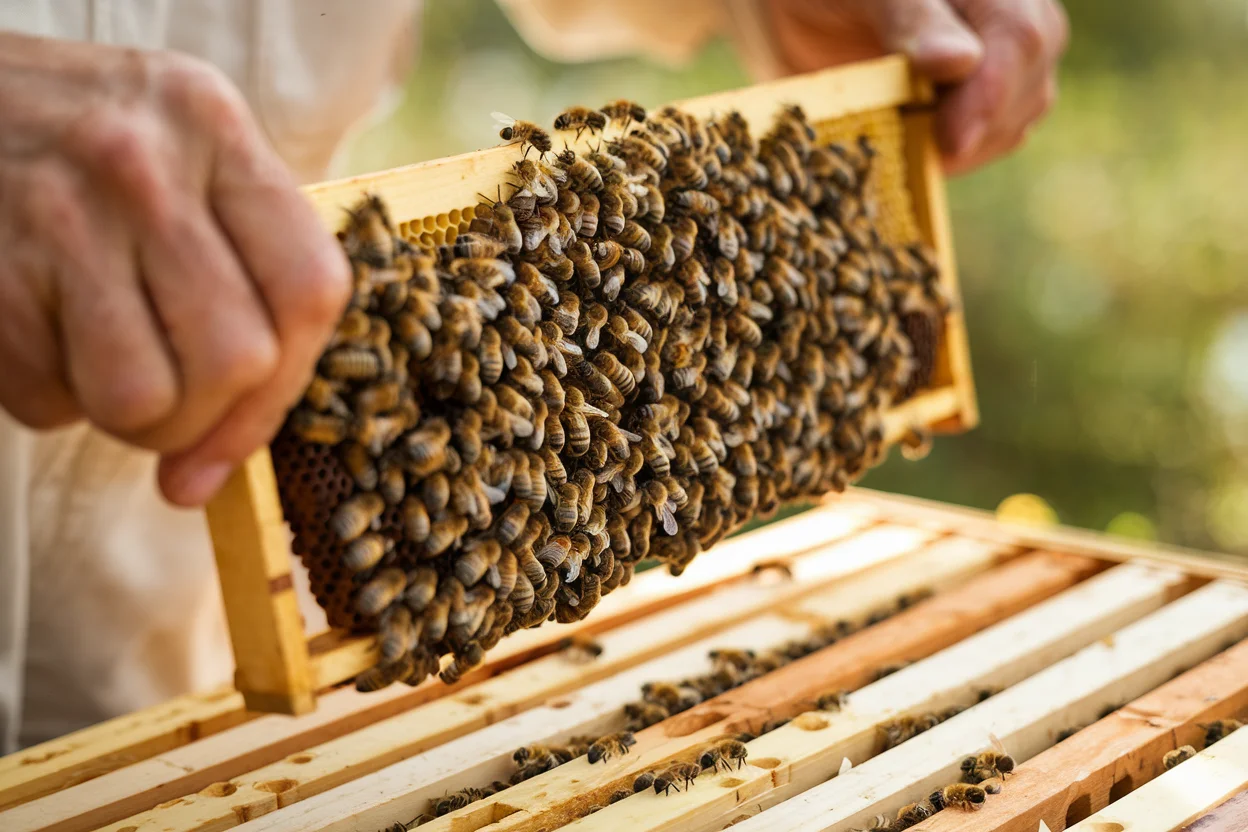
The three treatments I use
Apilife Var (thymol)
Thymol-based strips. I lay them on top bars for 7–10 days, replacing each strip 2–3 times over 3 weeks. Works best at moderate temperatures (60–80°F). Don't use in a honey flow — it contaminates honey.
Apiguard (thymol gel)
Same active ingredient, gel form in a tray on top of the frames. Slower release. Two treatments, ~14 days apart. I alternate seasons between Apilife Var and Apiguard to hit the mites with slightly different delivery. Both require temperatures 60°F+ for the thymol to vaporize properly.
Oxalic acid strips
OA is different animal. It only kills phoretic mites — mites riding on bees, not mites sealed under wax in brood cells. So it's only effective when:
- Broodless, or
- After you've knocked brood cycles down with a broodbreak
I use OA strips during honey flow (when brood production has ramped but mite load is often lower) as a maintenance dose, and again in late fall on broodless colonies as a cleanup shot. OA can be used in vapor form too — I prefer strips because they're simpler.
The rotation matters
Mites develop resistance to single treatments. This is well-documented for pyrethroid-based products (Apistan, Checkmite+) and is starting to show up in tolerance to some other chemistries.
Thymol-based treatments (Apilife Var, Apiguard) mix mechanism-of-action enough that resistance is slower. But to stay ahead of it, I rotate between the two season to season and mix in oxalic acid as a different mode entirely. Oxalic acid works mechanically — it crystallizes on the mite's foot pads and dehydrates them — so mites can't develop metabolic resistance the way they can to chemical treatments.
My annual schedule
Here's a typical year in my Twin Falls apiary:
| Month | Action |
|---|---|
| March | First inspection. Sugar-roll or alcohol-wash a few hives to check mite levels. If above 3%, treat. |
| April–May | Bees building. Watch, don't treat during spring flow unless levels are critical. |
| June–July | Honey flow. Maintenance-level OA strips in hives showing climbing counts. |
| August | Most important month. Pull honey supers. Treat with Apilife Var or Apiguard before the colony starts raising winter bees. This single treatment determines whether the hive survives. |
| September | Second round of thymol treatment if needed. Monitor drop counts. |
| October | Final check. If still showing mites, an OA strip on (mostly) broodless colonies. |
| November–February | Cluster. No treatments. |
A note on "just requeen to mite-resistant stock"
Varroa-sensitive hygiene (VSH) queens and Pol-Line queens are real and they help. I buy from reputable queen breeders and have noticed slightly lower mite loads in those colonies. But they're not magic. You still need to treat — just potentially less aggressively.
Don't skip treatments because a breeder told you their stock is "mite-resistant." Trust but verify with an alcohol wash every month.
Testing matters more than treating
The mistake new beekeepers make is treating on a calendar without measuring. Some years, some colonies need three treatments. Other years, one is enough. The only way to know is to count.
I do alcohol washes on 1 in 3 hives each inspection. 300 bees, a jar of washer fluid or soapy water, count the mites that fall out. Anything above 3 mites per 100 bees means the colony is heading for trouble.
Sugar-roll is gentler on the bees (about 90% accurate versus alcohol wash's 95%+), and fine if you can't bring yourself to kill 300 workers. Either way: measure before you treat.
The bottom line
I keep bees that live. Year after year. Not by being clever — by being consistent. Three treatments rotated, one careful August window, and a willingness to count mites instead of hoping they're gone.
If treatment-free is important to you as a philosophy, I understand. I just don't recommend it unless you're willing to accept higher losses or you're geographically isolated enough that neighboring apiaries aren't a factor.
The bees don't care about philosophy. They care about whether you did the work in August.
— Maggie